
Politeness is at the heart of Japanese communication. Whether you are traveling in Japan, working with Japanese colleagues, or simply studying the language, you’ll quickly notice that saying no directly is often avoided. Instead, Japanese people tend to use softer, more indirect expressions to refuse something politely.
Learning how to politely refuse in Japanese not only helps you sound more natural but also shows cultural awareness and respect. Keep reading and you will learn how to refuse something without directly saying “no”.
Why Politeness Matters in Japan
In Japanese society, harmony is highly valued and direct refusals can feel too blunt or rude. That’s why people often soften their refusals with indirect language, apologies, or reasons.
For example, instead of saying a blunt “No, I don’t want that,” you might hear something like:
ちょっと…
Romaji:
Chotto…
Direct Translation:
Well, it’s a bit… (a soft way of trailing off).
今日は難しいです
Romaji:
Kyō wa muzukashii desu
Direct Translation:
Today is difficult.
Both express refusal without ever saying “no” directly.
Common Polite Phrases for Refusing
Here are some useful expressions you can use depending on the situation:
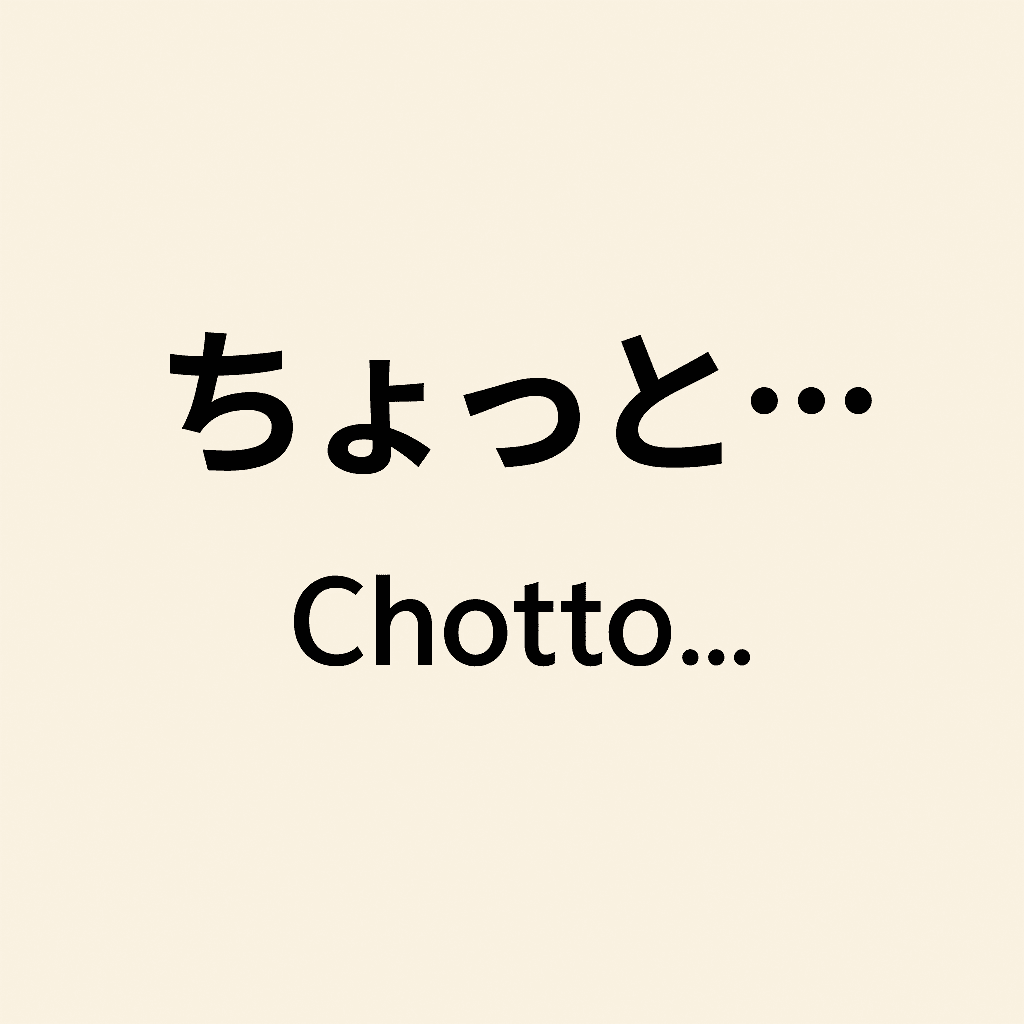
Literally means “a little,” but in refusal, it’s a polite way to say no.
Example:
Romaji:
すみません、今日はちょっと…
Reveal Answer
Sumimasen, kyō wa chotto…
Literal Translation:
“Sorry, today’s a bit…” (leaves the refusal implied).
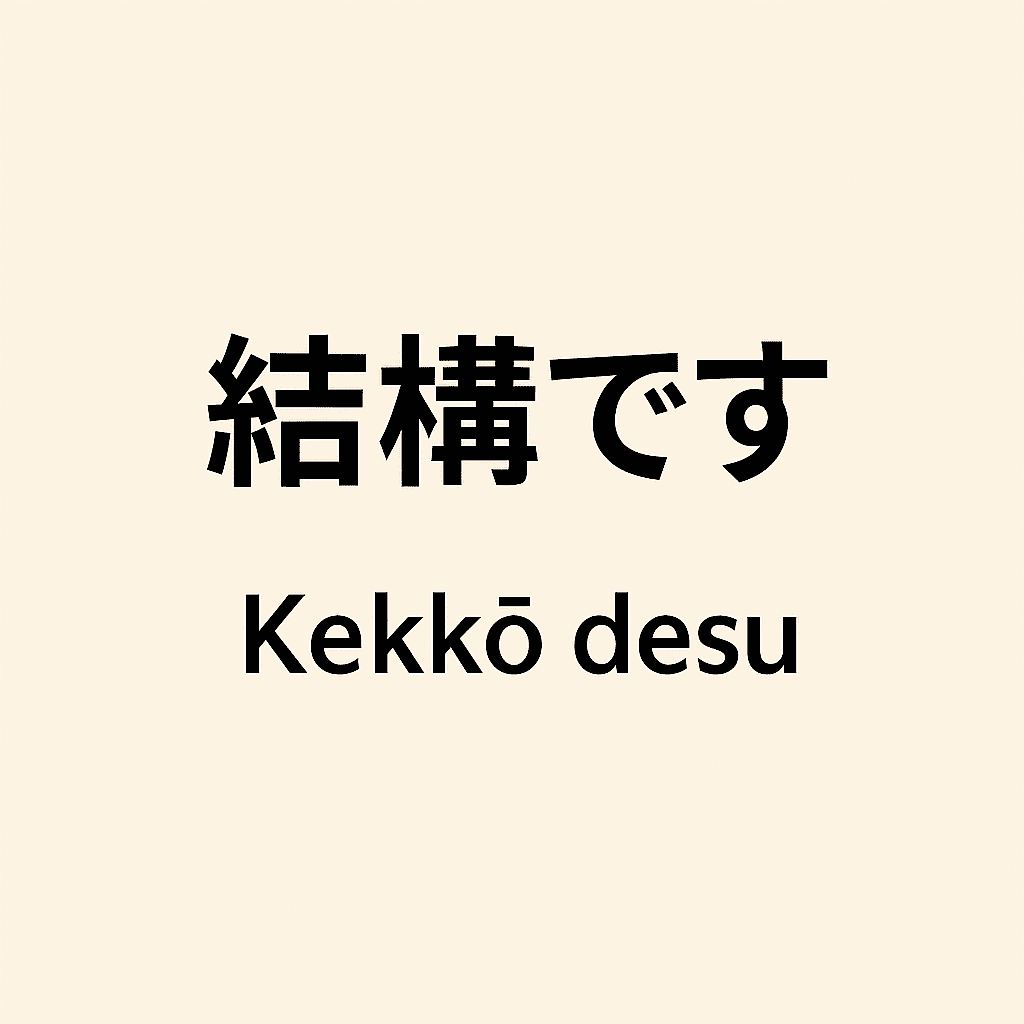
It means “I’m fine” or “No, thank you.” This phrase is commonly used when politely refusing food, drinks, or other offers.
Example
Person 1:
Romaji & Translation:
すみません、今日はちょっと…
Reveal Answer
Ocha wa ikaga desu ka?
Would you like some tea?
Person 2:
Romaji & Translation:
ありがとうございます。でも、結構です。
Reveal Answer
Arigatō gozaimasu. Demo, kekkō desu.
Thank you, but I’m fine.
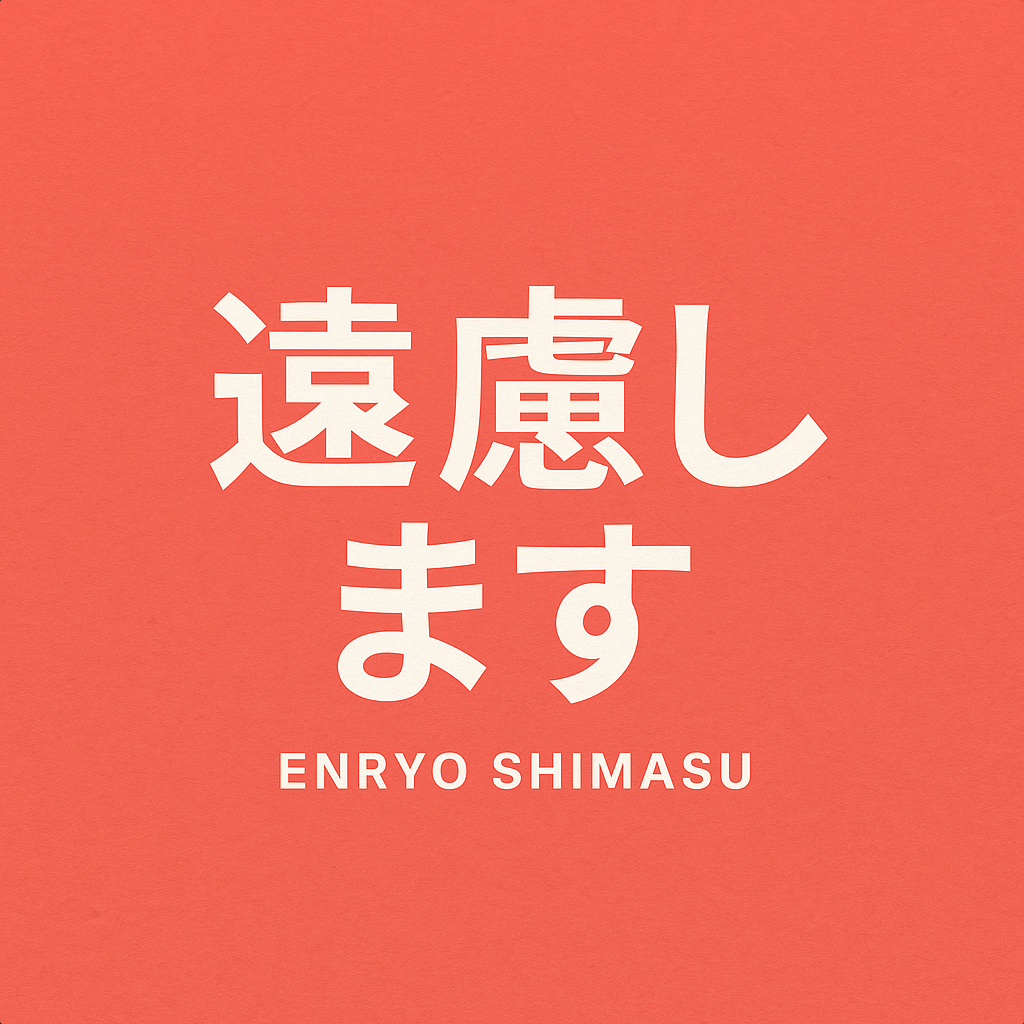
It means “I’ll refrain” or “I’ll pass,” expressed in a very humble and polite manner.
Example
Person 1:
Romaji & Translation:
カラオケに行きませんか?
Reveal Answer
Karaoke ni ikimasen ka?
Shall we go to karaoke?
Person 2:
Romaji & Translation:
すみません、今回は遠慮します。
Reveal Answer
Sumimasen, konkai wa enryo shimasu.
Sorry, I’ll pass this time.
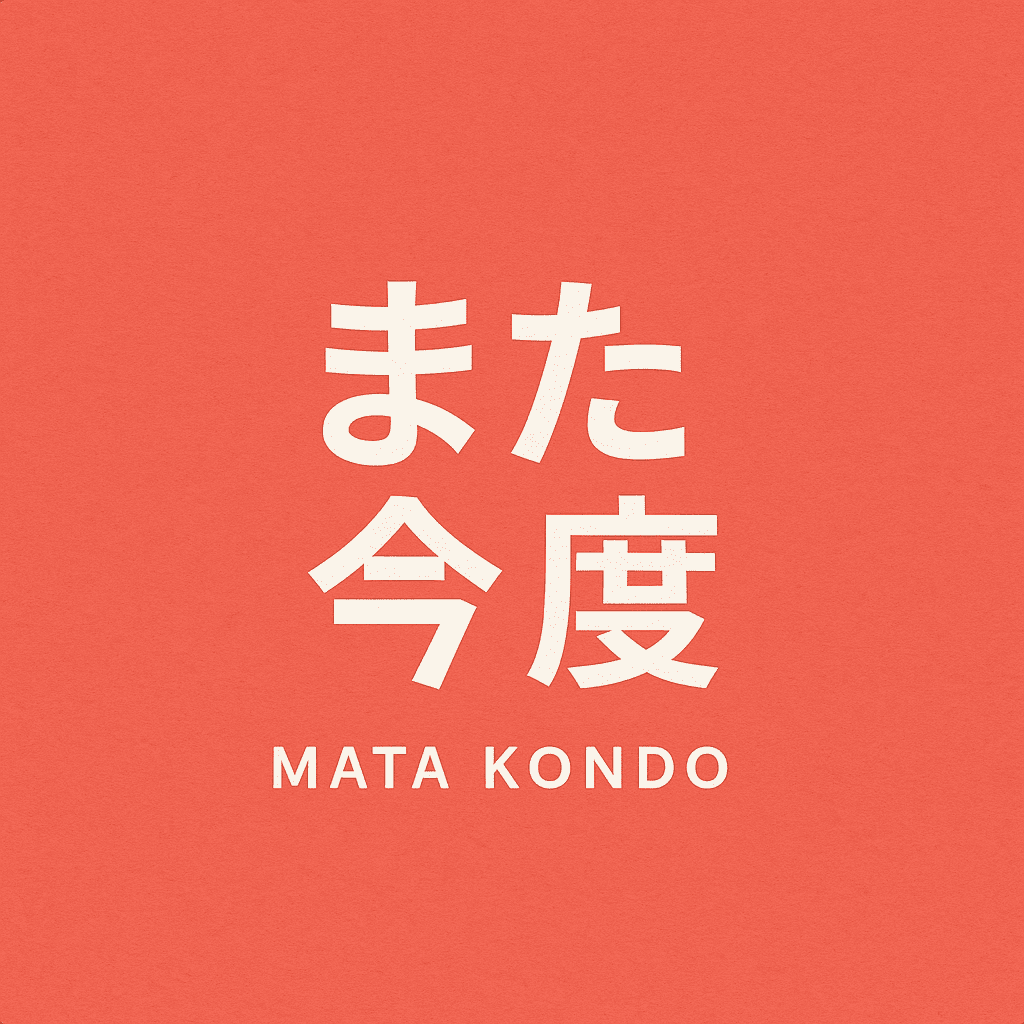
It means “Maybe next time.” This phrase is often used to soften a refusal by sounding interested in a future invitation, even if there’s no real intention to accept later. Japanese culture can sometimes be hard to read, as what people say and what they actually mean may not always align directly.
Example
Person 1:
Romaji & Translation:
明日飲みに行きませんか?
Reveal Answer
Ashita nomi ni ikimasen ka?
Want to go drinking tomorrow?
Person 2:
Romaji & Translation:
今日はちょっと無理かも。また今度。
Reveal Answer
Kyō wa chotto muri kamo. Mata kondo.
Today might be a bit impossible. Maybe next time.
Sorry, I’ll pass this time.
Cultural Note: Reading Between the Lines
In Japanese, また今度 (“Maybe next time”) is often used as a polite way to decline an invitation. While it sounds like the person is interested in meeting again, in reality, it’s usually a soft refusal.
Japanese communication often avoids direct “no” responses to maintain harmony. That’s why また今度 doesn’t always mean there will actually be a “next time.” Understanding this nuance can help you avoid misunderstandings and read between the lines when speaking with Japanese people.
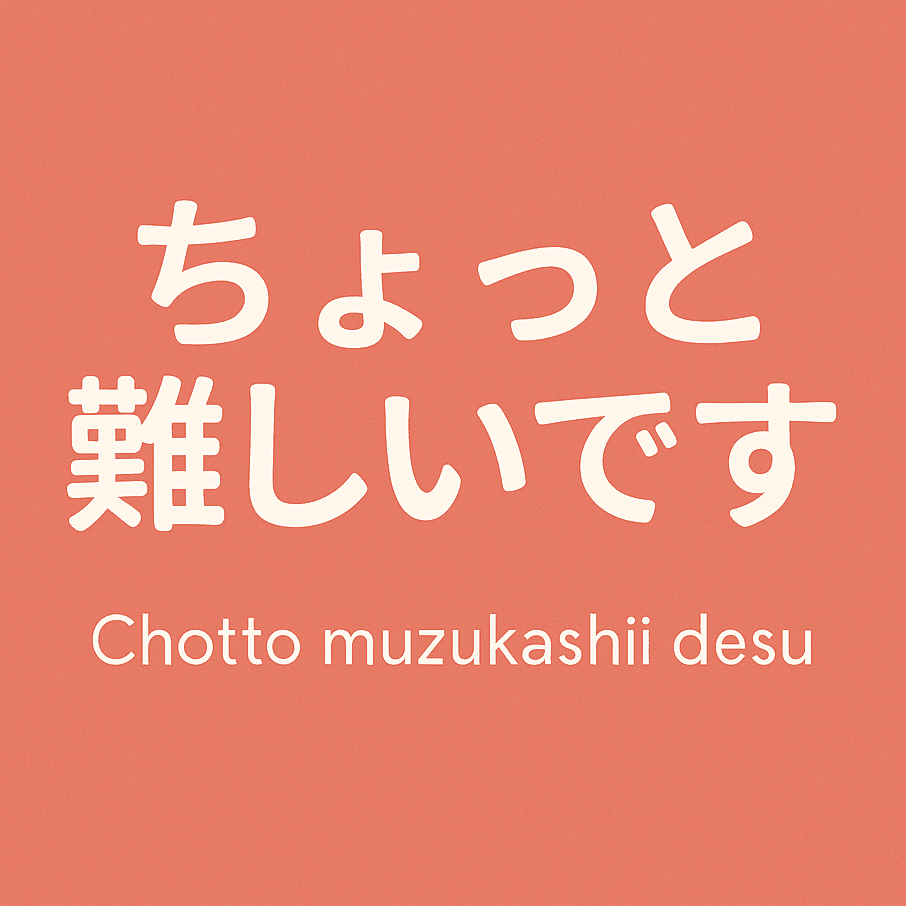
It means ‘That’s a bit difficult.’ This phrase is a polite way to decline without directly saying no.
Example
Person 1:
Romaji & Translation:
手伝ってくれますか?
Reveal Answer
Tetsudatte kuremasu ka?
Can you help me?
Person 2:
Romaji & Translation:
すみません、今日はちょっと難しいです。
Reveal Answer
Sumimasen, kyō wa chotto muzukashii desu.
Sorry, it’s a bit difficult today.
Cultural Tips for Saying No
Apologize First
Start with すみません (sumimasen, “sorry”) or ごめんなさい (gomen nasai).
Give a Reason
Japanese refusals often include an explanation, even if it’s vague (e.g., “Today is difficult,” “I already have plans”).
Use Indirect Language
Avoid blunt “no” (いいえ) in casual refusals. Iie is rarely used for social declines — it can sound too strong.
Tone Matters
Smile, soften your voice, and avoid sounding too firm.
Everyday Scenarios to Practice

Refusing Food or Drink
Host:
Romaji & Translation:
お茶はいかがですか?
Reveal Answer
Ocha wa ikaga desu ka?
Would you like some tea?
You:
Romaji & Translation:
ありがとうございます。でも、結構です。
Reveal Answer
Arigatō gozaimasu. Demo, kekkō desu.
Thank you, but I’m fine.

Refusing an Invitation
Friend:
Romaji & Translation:
カラオケに行かない?
Reveal Answer
Karaoke ni ikanai?
Want to go karaoke?
You:
Romaji & Translation:
ごめんね、今日はちょっと…。また今度ね。
Reveal Answer
Gomen ne, kyō wa chotto… Mata kondo ne.
Sorry, today’s a bit… Maybe next time.

Refusing Politely at Work
Coworker:
Romaji & Translation:
明日の会議に参加できますか?
Reveal Answer
Ashita no kaigi ni sanka dekimasu ka?
Can you attend tomorrow’s meeting?
You:
Romaji & Translation:
すみません、明日は予定があって難しいです。
Reveal Answer
Sumimasen, ashita wa yotei ga atte muzukashii desu.
Sorry, I have plans tomorrow, so it’s difficult.
Useful Grammar Notes
〜ませんか? (…masen ka?)
Common way to invite. To refuse, soften with ちょっと… or また今度.
結構 (kekkō)
Can mean both “fine” and “no thank you,” so tone is important.
遠慮 (enryo)
Literally means “restraint.” Using enryo shimasu is a humble way to decline.
Politeness Level
Casual
ちょっと…

Polite
結構です
Very polite/formal
遠慮します
Conclusion
Learning how to politely refuse something in Japanese is an essential skill for anyone who wants to navigate Japanese culture smoothly. By using phrases like
- ちょっと…
- 結構です
- 遠慮します
shows respect while still setting boundaries.
REMEMBER:
In Japan, the goal is not only to refuse but to refuse without disrupting harmony. With practice, you’ll find yourself naturally using these expressions in everyday conversations.
So the next time you’re offered something you don’t want, try one of these polite refusals and you’ll leave a positive impression while staying true to yourself.