
A simple greeting in the Japanese language like saying “good afternoon” in Japanese can vary depending on who you’re speaking to, where you are, and how formal the situation is. Most learners start with the standard 「こんにちは」, but there’s much more nuance behind this and other Japanese greetings. In this article, we’ll explore different ways to say “good afternoon” in Japanese depending on real-life scenarios! Whether you’re speaking to a teacher, working in an office, chatting with a friend, or shopping.
There are so many types of greetings that we won’t be able to cover them all in this article. [Click here] to read our full guide on how to greet in every situation so you’ll be ready to say hello with confidence! No matter where you are.
1. Speaking to Strangers or Elderly People: Be Respectful

Use: 「こんにちは」
This is the go-to, all-purpose phrase for “Good afternoon” in Japanese. It’s polite, safe, and suitable for use with strangers, elders, and people you don’t know well. You can say this when entering a waiting room, greeting someone at a bus stop, or when passing by a neighbor.
Pronunciation: kon-ni-chi-wa
Tip: Make eye contact and nod lightly to show respect.
2. At Work or in a Business Environment: Use Polished Language

In Japanese workplaces, it’s common to greet coworkers or clients in the afternoon with a mix of politeness and professionalism. 「お疲れ様です」 is a staple in work culture and roughly means “Thanks for your hard work.” In fact, at the Japanese company I used to work for, we often greeted each other in the afternoon simply with 「お疲れ様です」 without even needing to say 「こんにちは」 first. It was used both when arriving and when wrapping up for the day, reflecting mutual respect and acknowledgment of each other’s efforts.
Example:
- When walking into the office at 2 PM: 「こんにちは。お疲れ様です!」
- Meeting a client: 「こんにちは。いつもお世話になっております。」
Tip: Tone matters. Speak clearly, politely, and bow lightly if it’s a formal situation.
3. Shopping or Talking to Store Clerks: Keep It Friendly but Polite
Use: 「こんにちは」
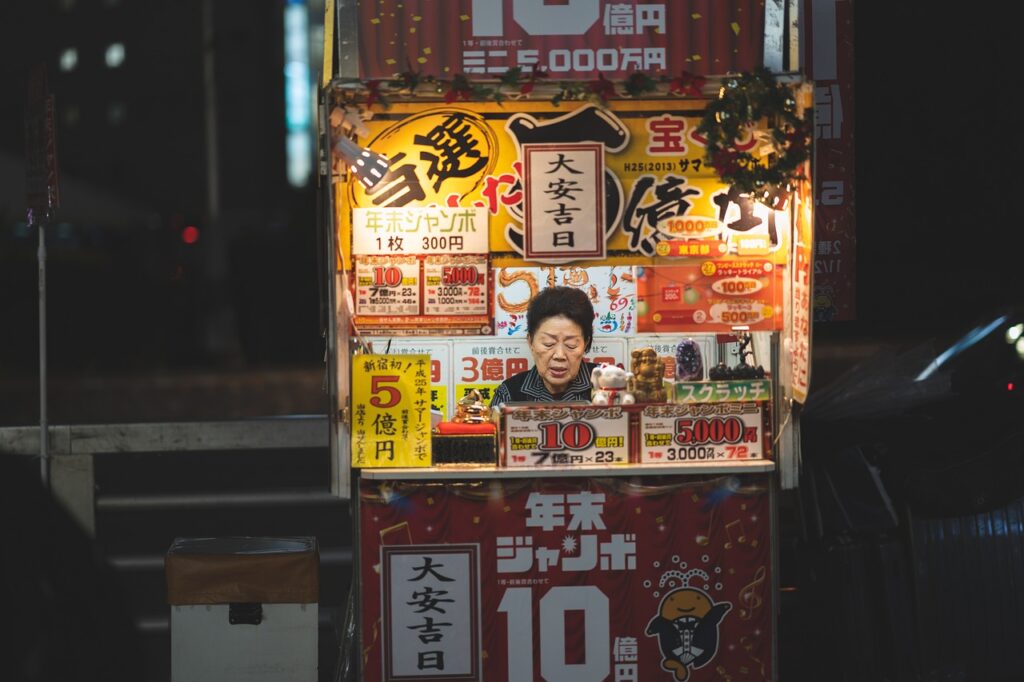
You’ll hear and say this a lot when walking into shops or restaurants in Japan. Staff often greet customers with a cheerful 「いらっしゃいませ!」, and while you can respond with a simple 「こんにちは」, it’s also perfectly normal to say nothing and just nod or smile. Personally, I often say 「すみません」 instead—especially when I’m about to ask where a product is or when I head to the cashier to pay. It’s a polite, multi-purpose phrase that works almost like a casual greeting in many shopping scenarios.
Bonus Phrase: If they say 「いらっしゃいませ」 and you’re not sure what to say, just smile and nod—it’s perfectly fine in casual shopping interactions.
4. With Friends or Peers: Relaxed and Friendly

Use: 「やっほー!」or「こんにちは〜」
When greeting close friends or peers around the afternoon, you can keep it light and casual. 「やっほー」 is playful and cheerful, used mostly among younger people. If you want to stay neutral, stretch out the 「こんにちは〜」 to make it sound casual.
Example:
- Bumping into a friend at a café: 「やっほー!元気?」
Tip: Emojis or stickers using 「やっほー」 are popular in texts too—it’s super friendly.
5. Phone, Emails, or Online Messages: Time-Aware Greetings

Use: 「こんにちは。○○です。」
When sending messages or emails in the afternoon—especially to teachers, customer service staff, or anyone you don’t know personally—it’s good practice to begin with a polite, time-appropriate greeting like 「こんにちは」. If you’re emailing a store or your teacher, it creates a respectful tone right from the start.
Example:
- Messaging a tutor: 「こんにちは。Jamesです。今日のレッスンは19時からでお願いします。」
- Emailing a store: 「こんにちは。商品の在庫についてお伝えししたくご連絡いたしました。」
Tip: Japanese people often use time-aware greetings like 「おはようございます」 (morning), 「こんにちは」 (afternoon), and 「こんばんは」 (evening) at the beginning of professional emails or messages. It’s also common to follow up with phrases like 「いつもお世話になっております」 in more formal situations.
Final Thoughts
While 「こんにちは」 is the most widely accepted way to say “hello in Japanese”, the way you greet people in everyday situations says a lot about your social awareness, politeness, and confidence. Whether you’re saying “hello in Japan language”, “good morning in Japanese”, or using more casual expressions with friends, choosing the right tone and timing matters. The same phrase can carry different weight depending on how and where you use it. Practice these different styles in real-life settings, and where you use it. Practice these different styles in the right mindset, and you’ll start sounding less like a textbook—and more like someone truly connected to the language and culture.