
When dining in Japan, one of the first things you’ll notice is the phrase people say before eating:
You probably heard the word “i-ta-da-ki-ma-su” through your favourite anime or Jdrama often. This a commonly used phrase to say before eating your meal to show deep cultural values such as gratitude, respect, and mindfulness.
In this article, we’ll explore what Japanese people say before eating, the meaning behind it, and how it ties into the culture and customs of Japan. You’ll also learn what to say after finishing a meal, plus tips on how to use these phrases correctly so you can feel confident dining in Japan.
What Do Japanese Say Before Eating?
The phrase is:
いただきます
Romaji: Itadakimasu
Literal meaning: “I humbly receive.”
English equivalent: “Let’s eat!” / “Thank you for this meal.”
Similar to Bon appétit, you say itadakimasu before eating a meal. The phrase carries the idea of showing respect to everyone who contributed:
- Farmers
- Fishermen
- Cooks
- Family members
- And even to nature itself for providing the food.
The Deeper Meaning of Itadakimasu
In Japanese, the verb いただく (itadaku) is a humble form of “to receive.” By saying itadakimasu, you’re not just announcing the start of a meal!
You’re acknowledging that your food has come through the efforts and sacrifices of others.
- Respect for life: Recognizing that animals, plants, and natural resources gave their lives.
- Gratitude to people: Farmers, transporters, cooks, and family members who prepared the food.
- Mindfulness: A moment to pause and appreciate before eating.
How to Use Itadakimasu Properly
Step 1
Say Itadakimasu before eating

Hold your hands together in front of your chest.
Step 2
Use the right tone!”

It should sound cheerful, not overly formal.
Step 3
When to use Itadakimasu
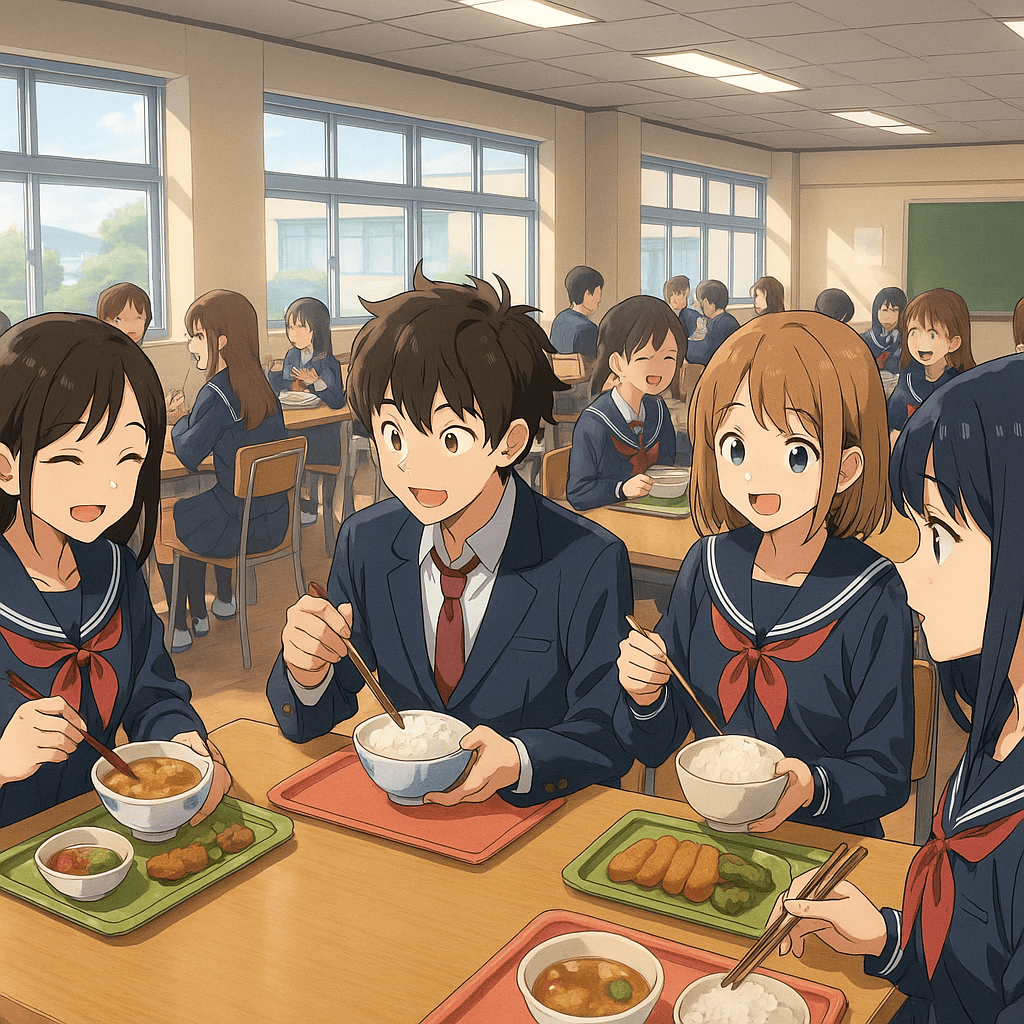
Use it whether you’re eating at home, at school, in a restaurant, or even alone, many Japanese people still say itadakimasu quietly before eating as a small moment of gratitude.
Some things to consider:
- Show politeness by waiting until everyone at the table is ready before you begin eating.
- In formal settings, such as a work nomikai or when dining with elders, it’s respectful to let the senior person start eating first.
Some Japanese Table Manners You Should Know!
There are a few unspoken rules you should follow when dining in Japan. Here are some important points to keep in mind:
- Don’t eat immediately: Only start eating once everyone is seated, has said Itadakimasu, and is ready to begin.
- Respect your seniors and elders: At formal meals, allow elders or senior colleagues to start eating first.
- Finish your meal: Don’t waste food. Finishing your meal shows appreciation not only for the food but also for the cook and the ingredients.
- Eat quietly: Munching and chewing quietly is a sign of respect. However, when eating ramen, slurping shows that you’re enjoying and appreciating the dish!
I know, it may seem like a lot of unspoken rules, but by showing effort and practicing them regularly, you’ll naturally get used to these manners. Japanese people will appreciate your effort to learn about their culture.
What Do You Say After Eating?
When the meal is finished, the proper phrase is:
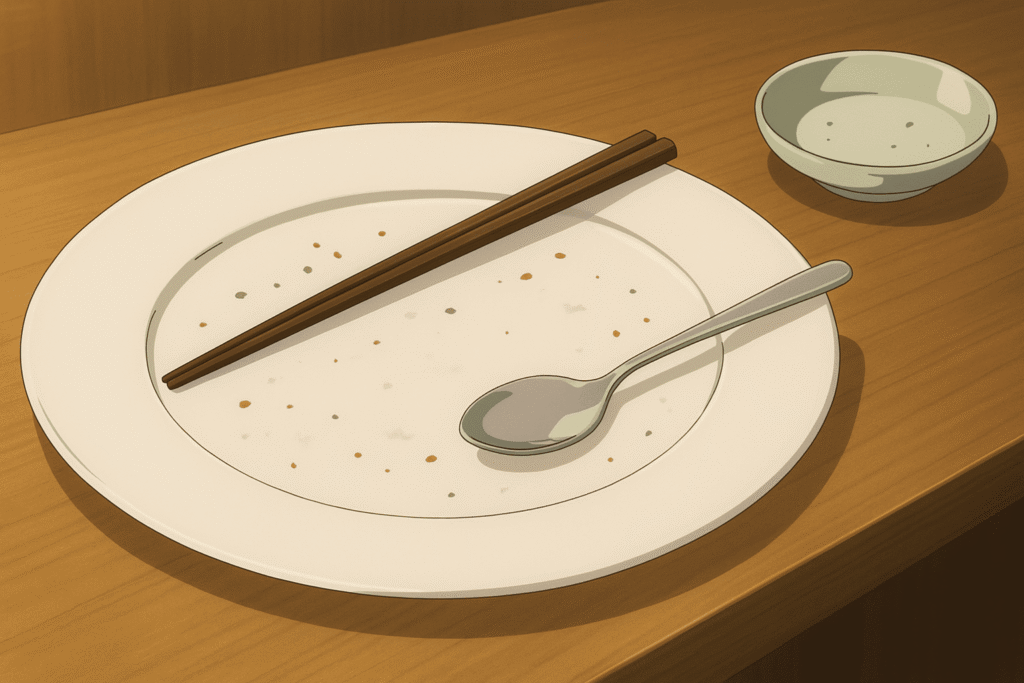
ごちそうさまでした
Romaji: Gochisōsama deshita
Literal meaning: “It was a feast.”
English equivalent: “Thank you for the meal.”
This is another way of expressing gratitude for the meal.
Note: Unlike Itadakimasu, you use Gochisōsama deshita after enjoying the food. It acknowledges the effort and hospitality of those who prepared it.
Let’s Learn How to Use Gochisōsama Correctly
Just like itadakimasu, gochisōsama shows appreciation for the meal, and there are a few situations where it’s appropriate to use it:
After finishing your meal:
When leaving the dining area:
In a restaurant:
Say gochisōsama.
It’s polite to say it as you get up.
You can say gochisōsama de shita to the waiter and/or chef as you’re leaving or after paying the bill.
If you are with friends or family, simple gochisōsama is enough. Even as a foreigner or tourist in Japan, using this phrase will be appreciated and can leave a positive impression on locals.
Let’s Review!
In many Western cultures, people might say “Bon appétit,” “Enjoy your meal,” or offer a prayer before eating. The Japanese custom is a little different:
- Before eating: Gratitude to nature and people → Itadakimasu
- After eating: Appreciation for the meal → Gochisōsama deshita
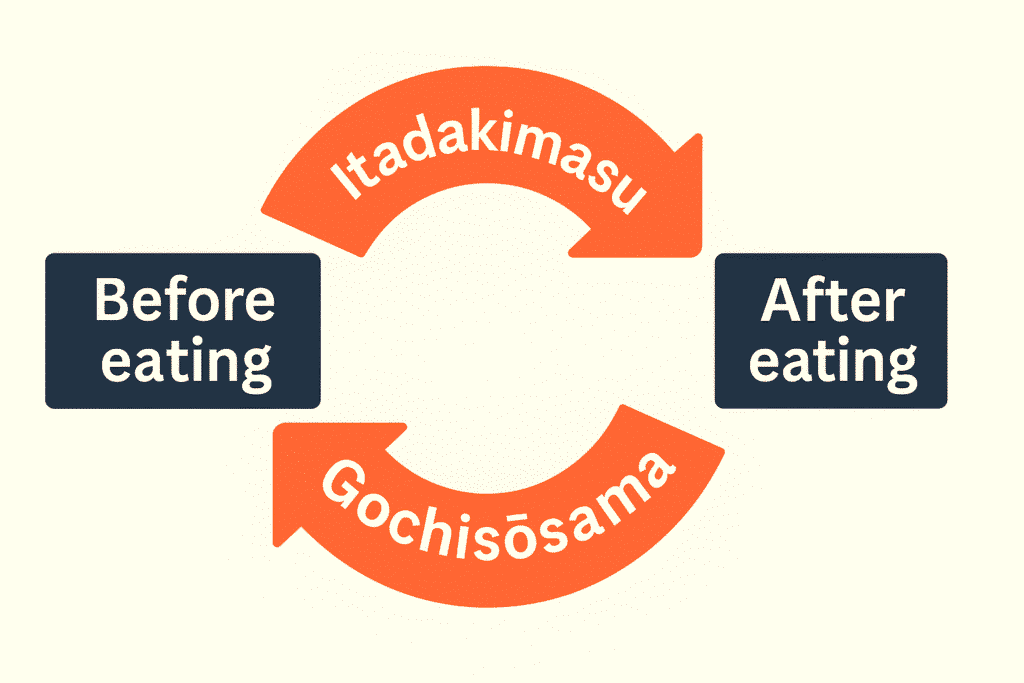
Together, these two phrases create a cycle of thankfulness that surrounds every meal.
Conclusion
So, what do Japanese say before eating? The answer is simple yet profound: いただきます (Itadakimasu). It’s a small phrase, but it carries centuries of cultural meaning of:
- Gratitude to nature
- Respect for life
- Show appreciation to those who made the meal possible.
By using itadakimasu before you eat and gochisōsama deshita afterward, you’re not just copying Japanese customs but you’re joining in a tradition of mindfulness and appreciation that makes every meal more meaningful.
Next time you sit down to eat, try saying it yourself. It might just change the way you think about food.